

Level Up Your Advising with This New Microcredential!
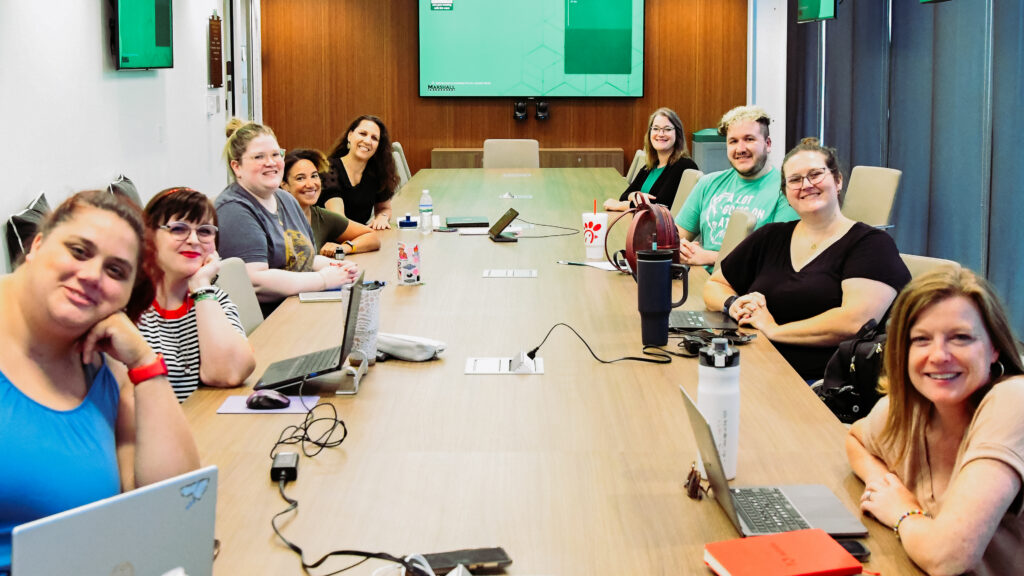
Meet the humans behind the microcredential! From left to right: Brandi Byers (Academic Advisor, University of South Carolina), Nicole “Niki” Blackwell (Academic Advisor, Indiana University Bloomington), Kate Earnhardt (Academic Advisor, University of Nebraska at Omaha), Emily Raclaw (Director of On Your Marq, Marquette University), Heidi Blaisdell (Instructional Designer, Marshall University), Kasey Freeman (Student Engagement Coordinator, Marshall University), Jacob Longoria (Academic Advisor, Marshall University), Hilary Gibson (Instructional Designer, Marshall University), Julia Spears (Assistant Provost for Online Education and Certification, Marshall University). Not pictured: Hillary Adams (Director of the HELP Program, Marshall University), Sarah Davis (Senior Director of Advising, Marshall University), Amy Moffat Jones-Burdick (Coordinator of Life Coaching & Summer Prep, College HELP, Marshall University) and Amy Geist (Senior Director of Strategic Initiatives & Operations, Advising Success Network)
Colleges are welcoming more neurodivergent students [1], and with that comes a pressing need for advising practices that honor their lived experiences. While academic advisors are uniquely positioned to support college students with Autism Spectrum Disorder (ASD), Attention Deficit Hyperactivity Disorder (ADHD), and Specific Learning Disorders (SLD), most advisors haven’t been equipped with training that reflects this reality.
In response to this need, our team won funding from the Pitch Competition hosted by the Advising Success Network (ASN) to co-create a microcredential. Recognized for our work in microcredentials, Marshall Online — led by Julia Spears (Assistant Provost for Online Education and Certification) — partnered with Marshall student support experts Hillary Adams (Director of the HELP Program) and Sarah Davis (Senior Director of Advising) to bring this vision to life.
After a national call, we invited six advisors from five institutions, including Marshall, to serve as subject-matter experts (SMEs) with both professional and personal neurodivergence experience. What we created together reflects a true cross-sector partnership, blending expertise from academic advising, student support, and online learning.
“I want to be the advisor I needed in college.”
The campus visit was a day filled with engaging conversations about what inclusive advising looks like. The project team toured Marshall’s campus, including the HELP Center and Autism Training Center, where SMEs learned about different student services offered at Marshall. We heard from a panel of advisors and neurodivergent students to share further insights. Throughout the day, instructional designers (Hilary Gibson and I) filmed interviews with each SME. Several of them discussed how their own neurodivergent diagnoses helped shape their advising philosophies.
Some of the most meaningful conversations occurred during the downtime between filming sessions. The SMEs bonded over shared experiences, and we gained insights that we incorporated into the course. What we heard again and again was the desire to draw on their own insights about neurodivergence to support their students. Jacob, a self-described “ADHDer,” said it best: “I want to be the advisor I needed in college.”
“Moving from transactional to relational”
The SME videos woven throughout the course reflect their passion for student-centered advising where neurodivergent students can thrive. Each one offers crucial perspectives, grounded in research, that enrich the course in substantive ways.
- Niki emphasizes the importance of honoring students’ preferred ways of talking about neurodivergence.
- Amy highlights the value of safe environments—sometimes with the help of her certified therapy dog.
- Brandi underscores the need for communities of practice to raise awareness and enhance collaboration.
- All the advisors stress the role of self-care, especially modeling self-regulation strategies for students.
Notably, the course also features neurodivergent students reflecting on strategies that worked for them and the people who impacted their college journeys.
A common thread runs through all the interviews: advising is about connecting with students. As Emily explains, “We’re moving from being transactional to relational.” By translating Universal Design Learning (UDL) principles into practical advising approaches, we move closer to centering authentic relationships—a key component of effective neurodivergent support that benefits all students.
Inclusive Advising
for a Neurodiverse Campus
Explore research and best practices in advising through a neurodivergent lens, engage in learning activities that invite you to apply actionable strategies, and interact with colleagues across the country.
Earn a specialized microcredential in evidence-based, inclusive advising.
- Lesson 1: Advising and Neurodiversity
- Lesson 2: Neurodivergent Characteristics and Impact
- Lesson 3: Inclusive Advising Practices (Universal Design for Learning)
- Lesson 4: Sustainable Advising
- Lesson 5: Empowering Students, Empowering Advisors
Enroll in the course on the ASN Thinkific page and complete other courses, to earn a badge from the ASN.
“Advising is teaching”
Once we developed the content and placed the SME videos, we shared the course with the SMEs for review. Their reactions when they saw the full course—with all the evidence-based strategies, expert videos, and ideas realized—confirmed that we were onto something special.
They saw one another sharing how they guide students through tough conversations, model resilience, and advocate in ways that show the power of relational advising. As Kate put it, “This course is so validating of the idea that advising is teaching.” Shining a light on these advisors allowed them to see the impact of their own work.
We hope their stories and the course as a whole help you feel connected to this broader community of educators and expand your impact on the students you support.
Enroll Today!
This FREE course includes 2 hours of video content—join advisors across the country who are reshaping what inclusive advising looks like. Register for Inclusive Advising for a Neurodiverse Campus. The course can also be accessed through the ASN Thinkific page.
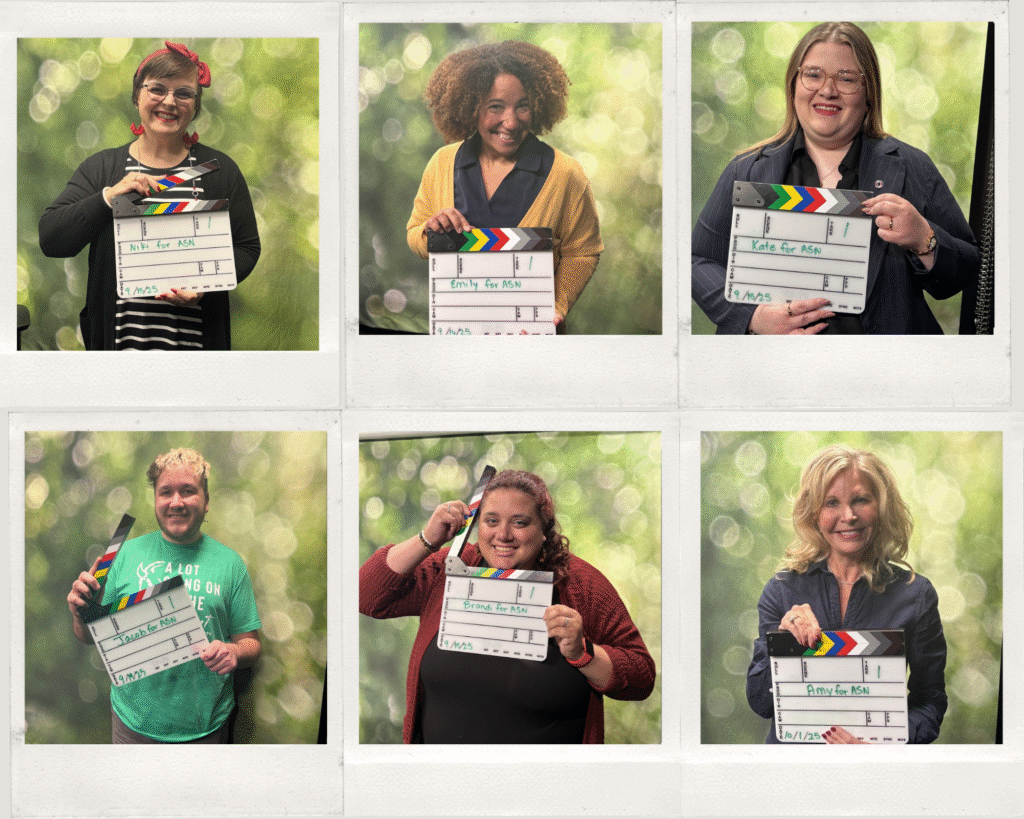
Special thanks to our subject-matter experts!
Sources [1] Duke University: Neurodiversity & the Student Experience; Yale Center for Dyslexia & Creativity; ADDitude Magazine: One in Six College Freshmen has ADHD; College Autism Network: Journal of College Student Development
Author Information
Heidi Blaisdell, PhD
Instructional Designer, Marshall University
Heidi Blaisdell is an instructional designer for Marshall Online. She holds her PhD in Composition and Rhetoric, specializing in trauma-informed writing pedagogy.
[email protected]
Institution Information
Marshall Online – Marshall Online’s mission is to inspire innovation and creativity in online education and transform the online learner experience at Marshall University. With values focusing on student-centered learning, technology integration, exemplary student and faculty service, and innovative thinking, Marshall Online is an emerging leader in championing the online student experience and pathways to success. This unit focuses on three critical areas: student engagement (Online Student Engagement Team), faculty support (the Design Center), and microcredentials (Marshall Skills Exchange).